The definition of luxury in Paradise Valley has changed. Homes designed to impress guests are increasingly competing against homes designed to improve everyday life.
For decades, luxury real estate was measured largely by visibility. Grand foyers, formal living rooms and sweeping staircases signaled success. (Source: University of London, “Explaining Variation in Luxury Consumption,” 2010.)
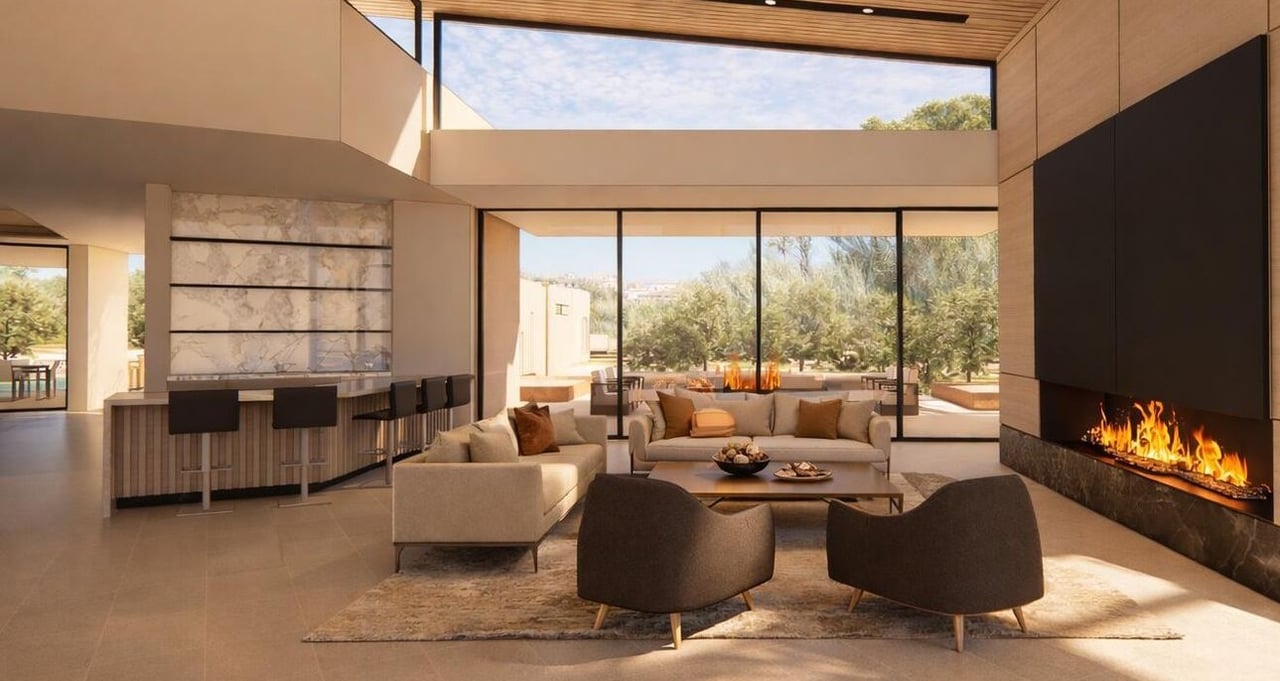
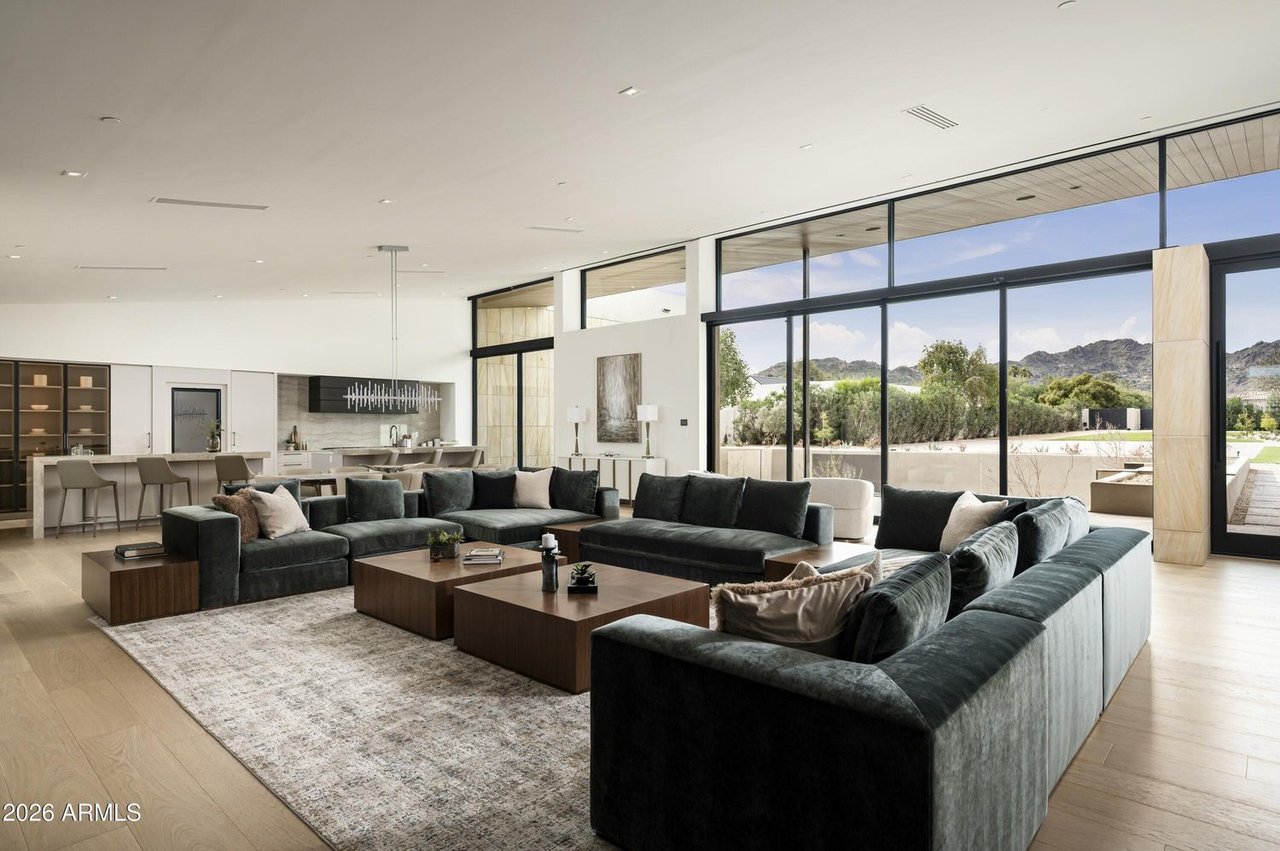
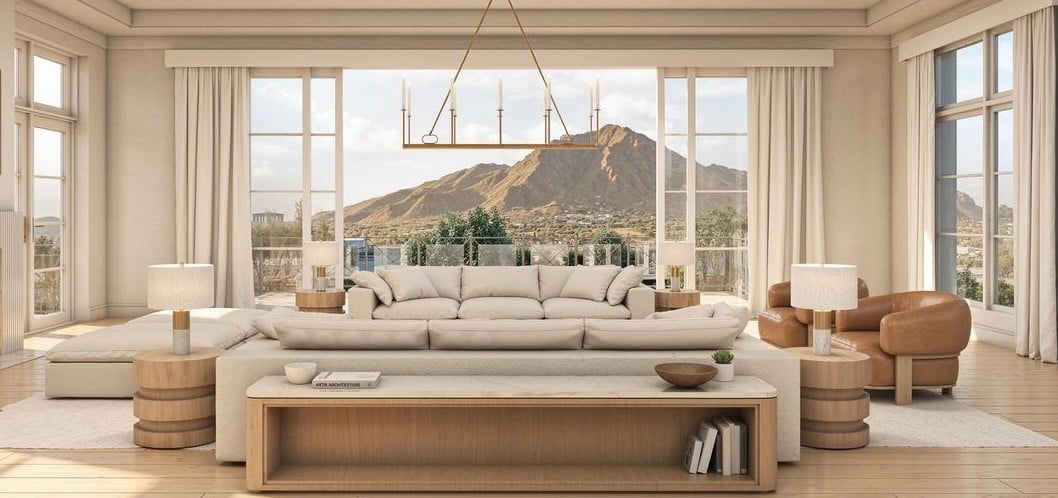
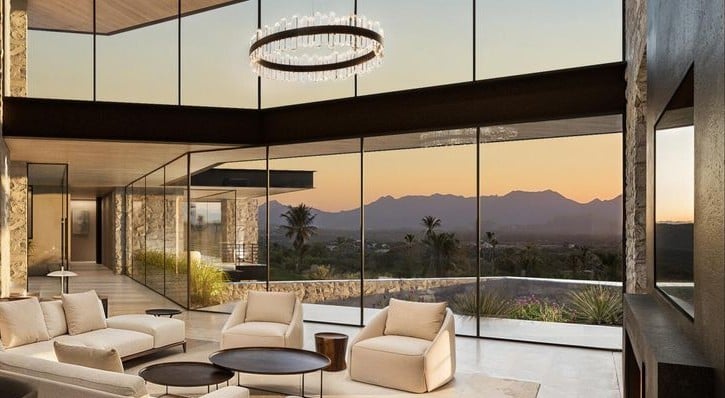
Today, luxury is less about display and more about how a home enhances daily livability. Ceiling heights, natural light, storage, large primary closets, and seamless indoor-outdoor living can matter more than formal entertaining spaces.
The data supports that emphasis on livability. The National Association of Home Builders found that walk-in pantries, patios, and kitchen dining areas rank among buyers' most-wanted features. (Source: NAHB, “Outdoor Features and a Laundry Room Among Most Wanted Features,” April 3, 2024.)
Recent luxury-buyer research also found:
93% of luxury agents reported pools as a top request.
74% cited outdoor kitchens.
43% cited glass walls/retractable doors connecting indoor and outdoor living.
47% reported demand for sport courts.
Buyers overwhelmingly preferred turnkey properties. (Source: REMAX News, “Turnkey Living and Wellness Take Priority Over Sustainability for Today’s Luxury Buyers,” November 4, 2025.)
Three forces are behind the change.
1. Lifestyles Have Changed
Formal entertaining once played a larger role in how luxury homes were designed. The University of London study found that formal living and dining rooms and more segmented floor plans reflected the priorities of their era. They often represented the pinnacle of luxury when they were built.
Today's buyers evaluate those features differently. A formal dining room feels like unnecessary square footage. An isolated kitchen makes family get-togethers less convenient. A large home, if filled with underused rooms, feels less luxurious than a thoughtfully designed home where every space serves a purpose. Today’s busy lifestyles value functionality.
2. Technology Evolved
Advances in design, engineering and construction have made features such as expansive glass, high ceilings, and seamless indoor-outdoor living the standard in new luxury homes.
For example, innovations in glass manufacturing, heat strengthening, and lighter aluminum frames allowed floor-to-ceiling windows that are also heat-resistant. (Source: Annual Reviews, “Architectural Glass,” July 2022.)
Similarly, the shift to engineered wood I-joists provides a lighter, stronger wood to support high ceilings and open floor plans. (Source: UMass Amherst, “The Evolution of Engineered Wood I-Joists,” 2000.”)
These innovations made larger open floor plans easier to build, giving architects greater freedom to create homes that felt light, bright, and more spacious. As a result, older homes with segmented floor plans seem fundamentally different to modern buyers.
3. Time Has Become a Luxury
The most important shift is the value affluent buyers place on time. These executives, business owners, and investors are increasingly time-starved. As a result, they look for products and services that will save them time. (Source: PNAS, “Buying Time Promotes Happiness,” July 24, 2017.)
The National Association of REALTORS®' 2025 Remodeling Impact Report found that 46% of buyers are less willing to compromise on the condition of the home they purchase. For many buyers, the time cost of a major renovation adds to the appeal of new and move-in-ready homes.
What This Means for Buyers
For buyers, this means that new homes are in higher demand. In Paradise Valley, these are more dominant in the $10M+ segment. Homes selling for less than $5M are typically older homes, since the cost of the land itself is around $3M. Therefore the best place to look for modest new and renovated homes is between $5M-$10M.
What This Means for Sellers
For sellers, the implications are even more clear. Homes without high ceilings, open space, and indoor-outdoor living are at a competitive disadvantage. To sell quickly, the listing price must take that into account.
Understanding the shift in luxury real estate can help sellers make better decisions about other factors as well, such as positioning, presentation and marketing.