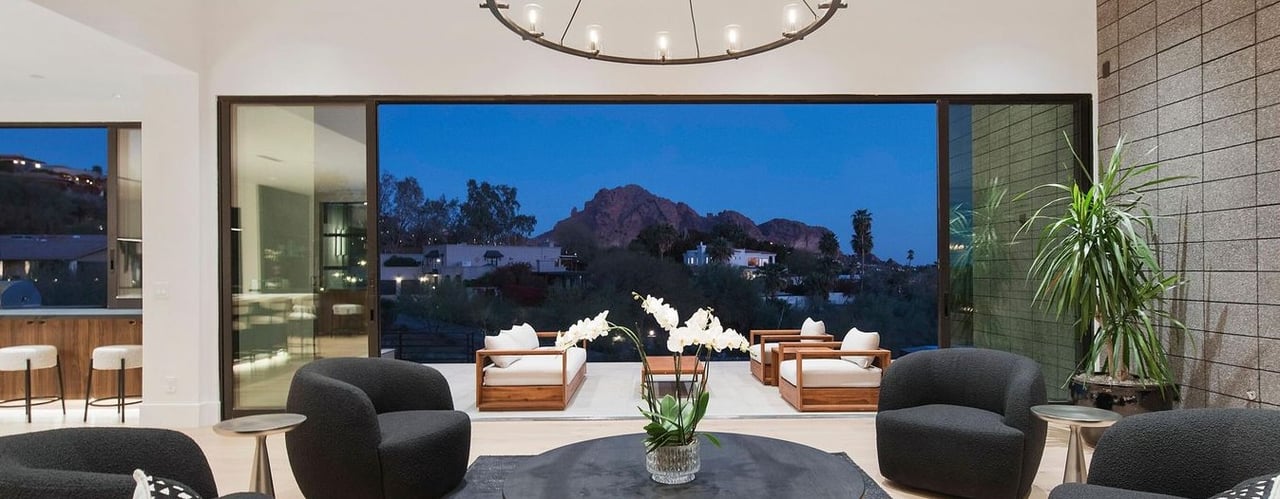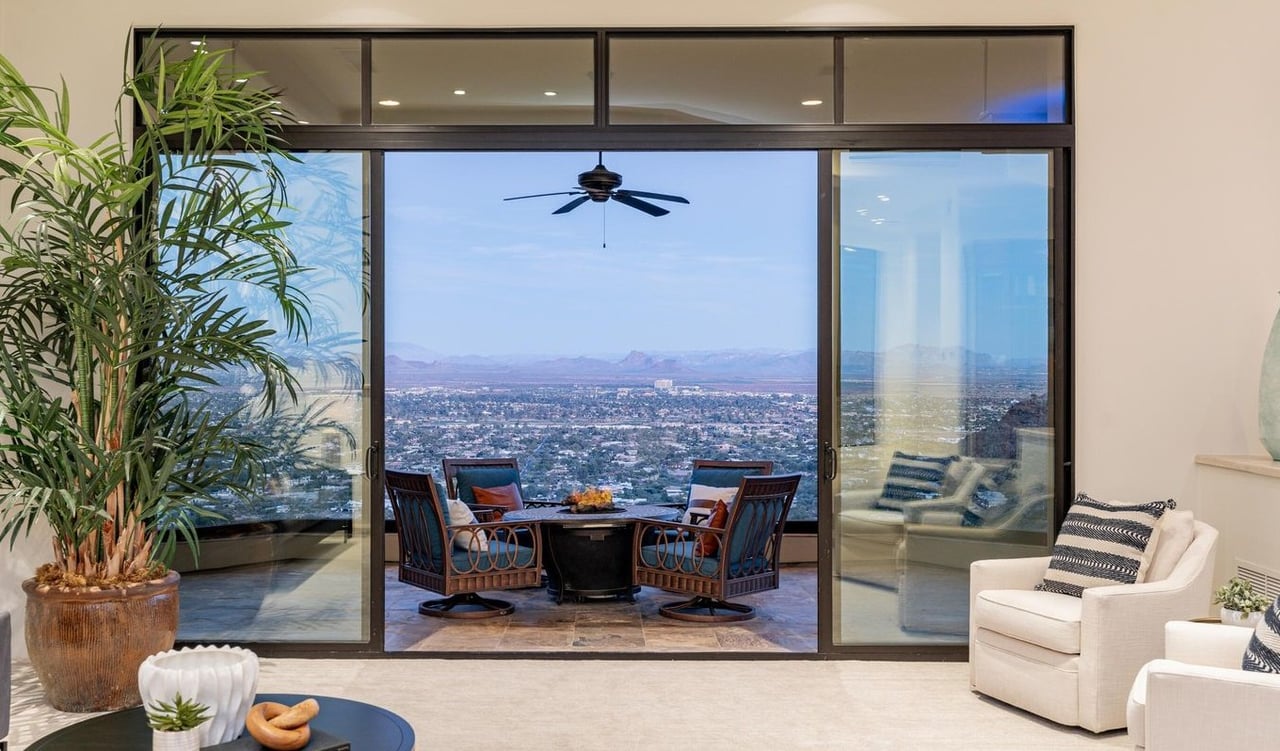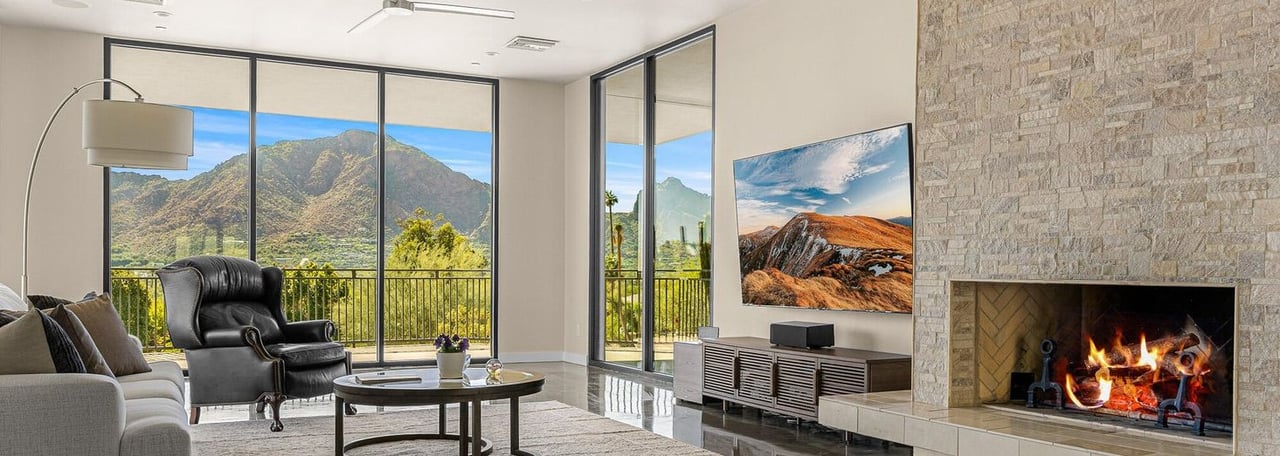
In 2026, outcomes in Paradise Valley hinge on which niche a home competes in rather than on broad market conditions. Some listings will sell efficiently. Others will stall with longer days on market and price resistance. The difference is based on how well the home aligns with current buyer behavior.
Homes below the upper luxury tier benefit from deeper buyer pools and more conventional pricing. Above that level, buyer behavior shifts. Comparisons expand, expectations rise, and newer construction increasingly sets the standard. Older resale homes feel this pressure most.
Homes that meet current buyer expectations continue to trade, even in a selective market. Alignment shows up in layout, condition, and how directly a home competes with what buyers are already considering.
Homes that miss those expectations rarely succeed by waiting. Buyers move on. New competition enters. Listings that fail to capture early demand often face repeated price cuts or contract fallout.
The opportunity in 2026 lies in correctly identifying a home’s true competitive niche. With that clarity, value becomes easier to judge. Sellers who price accurately shorten time on market. Buyers gain confidence that their purchase will hold value.
In 2026, strategy replaces optimism, and clarity replaces timing. The homes that move are not waiting for conditions to change. Instead, they are positioned for the market that already exists.
12,813 people live in 2026 Paradise Valley Housing Market Outlook, where the median age is 53 and the average individual income is $148,984. Data provided by the U.S. Census Bureau.
Total Population
Median Age
Population Density Population Density This is the number of people per square mile in a neighborhood.
Average individual Income
2026 Paradise Valley Housing Market Outlook has 5,029 households, with an average household size of 3. Data provided by the U.S. Census Bureau. Here’s what the people living in 2026 Paradise Valley Housing Market Outlook do for work — and how long it takes them to get there. Data provided by the U.S. Census Bureau. 12,813 people call 2026 Paradise Valley Housing Market Outlook home. The population density is 867.729 and the largest age group is Data provided by the U.S. Census Bureau.
Total Population
Population Density Population Density This is the number of people per square mile in a neighborhood.
Median Age
Men vs Women
Population by Age Group
0-9 Years
10-17 Years
18-24 Years
25-64 Years
65-74 Years
75+ Years
Education Level
Total Households
Average Household Size
Average individual Income
Households with Children
With Children:
Without Children:
Marital Status
Blue vs White Collar Workers
Blue Collar:
White Collar:
Get assistance in determining the current property value, crafting a competitive offer, writing and negotiating a contract, and much more. Contact me today.