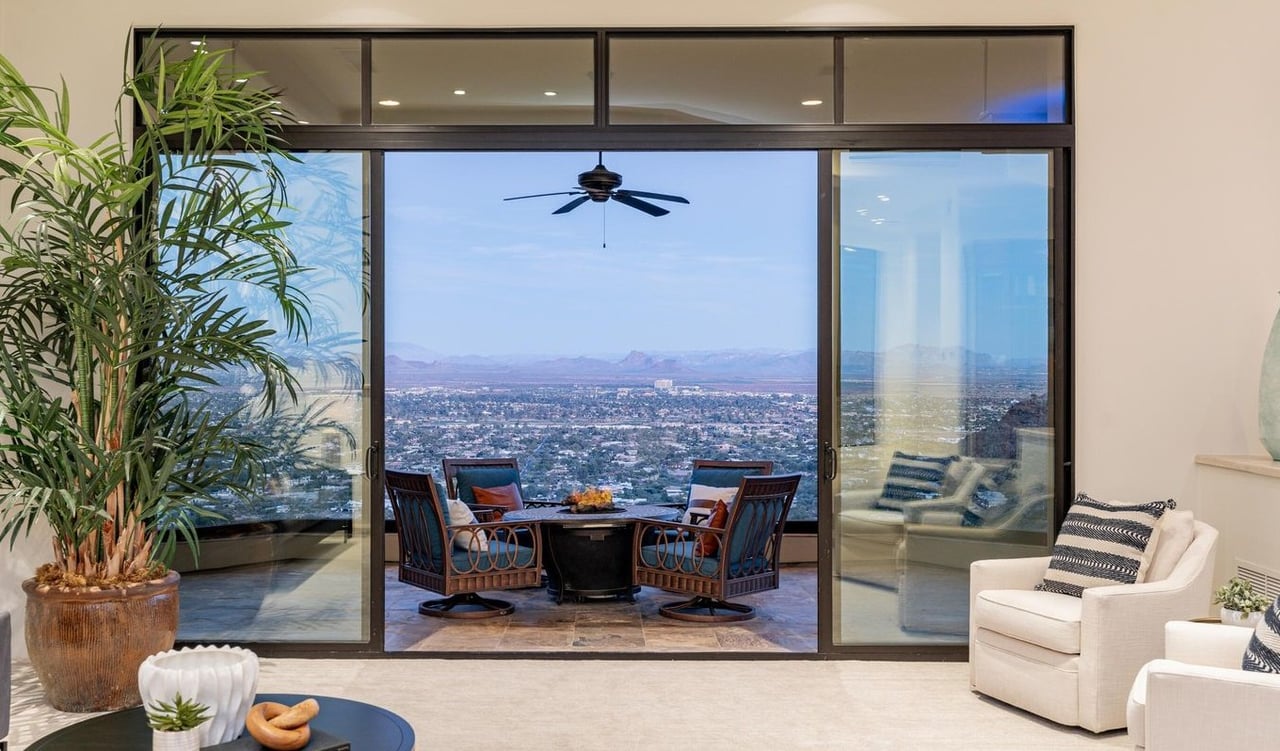
The Paradise Valley real estate market is not weak. It is not strong. It is selective. And for buyers, that selectivity creates a quiet advantage—if you understand where to look.
Where you choose to buy along the price spectrum determines something most buyers never think about: whether you are competing with other buyers, or whether sellers are competing with each other for you. This distinction matters more today than at any point in the past decade.
This is the deepest part of the Paradise Valley buyer pool. Well-priced homes in this range still move efficiently. Both resale homes and newer builds attract steady interest, and strong resale demand keeps this segment active and balanced.
Here, desirable homes do not sit long. When the right property appears, multiple buyers often recognize it at the same time.
Buyer reality: When you find the right home in this segment, move quickly. Large discounts are rare because competition keeps pricing firm.
This is where the leverage shifts. In this range, buyers are no longer comparing a resale home to another resale home. They are comparing everything to a significant supply of new construction that defines modern expectations for light, ceiling height, indoor–outdoor flow, and turnkey condition.
That abundance of choice changes the dynamic. Days on market stretch longer. Resale homes lose pricing power. And buyers gain meaningful leverage simply because they have so many alternatives.
Buyer reality: Compare aggressively. Negotiate confidently. Do not assume list price reflects true market value.
Above $15 million, transactions become infrequent and highly individualized. Pricing is less about comparables and more about whether the right buyer happens to see a property at the right time. Architecture, uniqueness, and emotional fit matter more than price per square foot.
This is not a segment where buyers should think in terms of short-term value.
Buyer reality: Buy for uniqueness and long-term hold, not for immediate pricing logic.
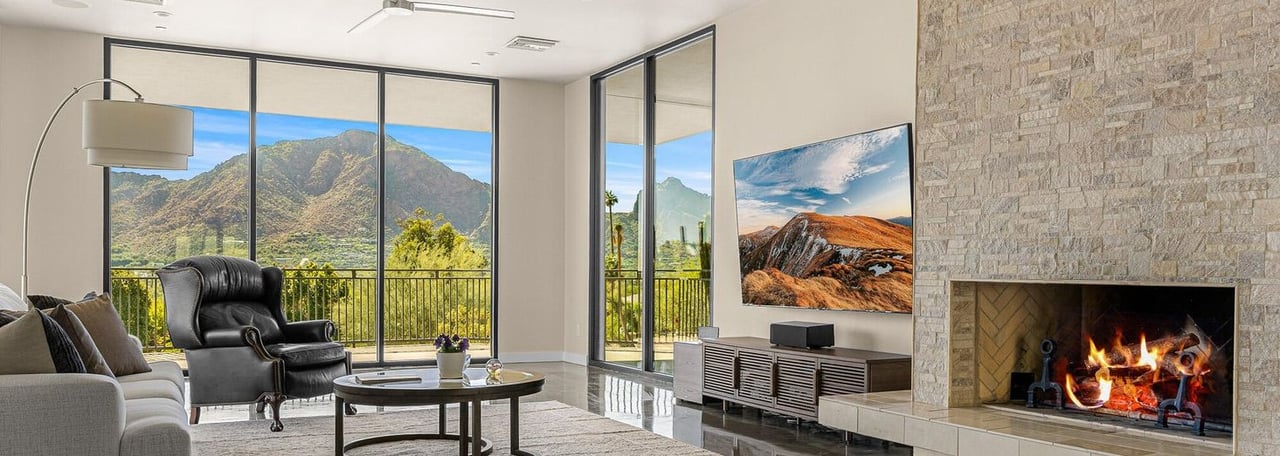
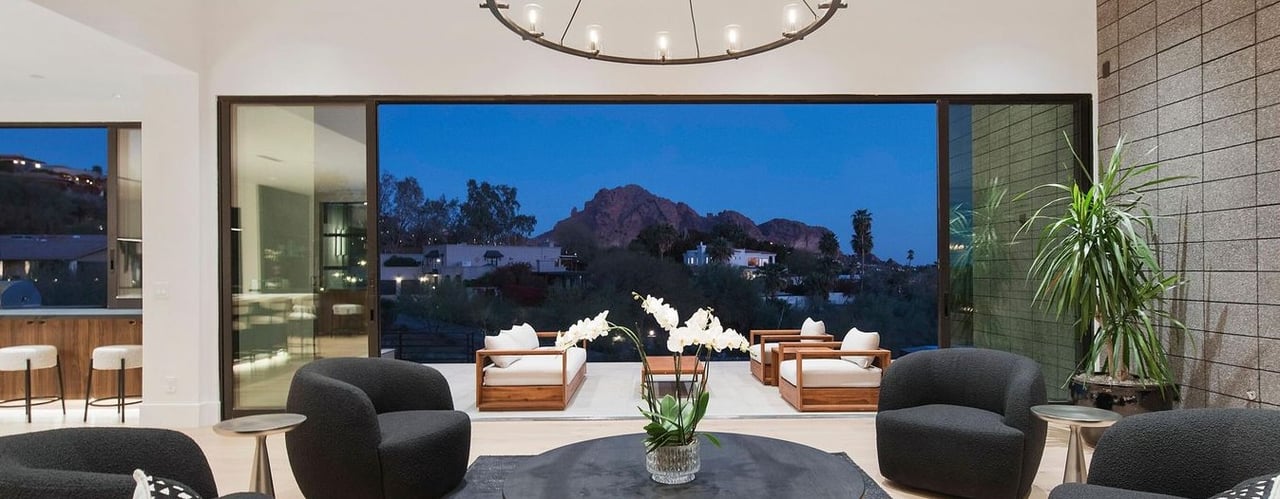
Across the Paradise Valley real estate market, new construction is setting the standard for what buyers expect. Modern design, expansive glass, higher ceilings, and turnkey living are no longer upgrades. They are the baseline against which everything else is judged.
Resale homes must compete on price or on uniqueness. Without one of those advantages, they struggle to justify their position in the market. This difference becomes decisive above $8 million, where new construction supply is most concentrated.
Most buyers walk into a home and ask: “Is this a good house?”
In today’s Paradise Valley market, the better question is: “Who has the real leverage here — me or the seller?”
When you understand where leverage sits, you know when to move fast, when to negotiate hard, and when to wait patiently for the right opportunity. In a selective market, that understanding is what separates a smart purchase from an expensive mistake.
12,813 people live in How to Buy Smart in Today’s Paradise Valley Real Estate Market, where the median age is 53 and the average individual income is $148,984. Data provided by the U.S. Census Bureau.
Total Population
Median Age
Population Density Population Density This is the number of people per square mile in a neighborhood.
Average individual Income
How to Buy Smart in Today’s Paradise Valley Real Estate Market has 5,029 households, with an average household size of 3. Data provided by the U.S. Census Bureau. Here’s what the people living in How to Buy Smart in Today’s Paradise Valley Real Estate Market do for work — and how long it takes them to get there. Data provided by the U.S. Census Bureau. 12,813 people call How to Buy Smart in Today’s Paradise Valley Real Estate Market home. The population density is 867.729 and the largest age group is Data provided by the U.S. Census Bureau.
Total Population
Population Density Population Density This is the number of people per square mile in a neighborhood.
Median Age
Men vs Women
Population by Age Group
0-9 Years
10-17 Years
18-24 Years
25-64 Years
65-74 Years
75+ Years
Education Level
Total Households
Average Household Size
Average individual Income
Households with Children
With Children:
Without Children:
Marital Status
Blue vs White Collar Workers
Blue Collar:
White Collar:
Get assistance in determining the current property value, crafting a competitive offer, writing and negotiating a contract, and much more. Contact me today.