The Paradise Valley market is not weak. It is not strong. It is selective. If you ask whether the Paradise Valley market is hot or soft, you are asking the wrong question. The market today does not reward broad labels. It rewards alignment.
Although homes are selling every week, some just sit. The difference is not luck, and it is not the economy. The difference is whether pricing, product, and positioning match what buyers can realistically choose from right now.
What worked even three or four years ago no longer applies. Buyer expectations have changed. Inventory has changed. New construction has changed the standard. And sellers who price based on memory rather than current competition often misread what is happening.
Paradise Valley is operating as a selective market. Some homes trade efficiently. Others do not. And the reason is surprisingly consistent once you look at the market by price segment.
This is where the deepest buyer pool exists. Both newer homes and resale homes are transacting with reasonable market times when priced correctly. Buyers here have options, but not an overwhelming number of them. That balance creates healthy movement.
Correct pricing still leads to steady activity. Sellers who understand their competition and price within it are rewarded with showings, interest, and offers within a predictable timeframe. This is the most stable part of the market.
This is where confusion begins. At this level, buyers are no longer just comparing resale homes to other resale homes. They are comparing everything to new construction. And new construction at this price point is abundant, modern, and built exactly to current buyer expectations. That creates heavy competition.
Buyers have many choices. Days on market stretch longer. And pricing discipline becomes critical. A home that is even slightly misaligned with its competition will simply be skipped over because buyers can move on to the next option.
This is not a weak segment. It is a highly competitive one. Sellers who fail to recognize how much choice buyers have here often mistake lack of activity for lack of demand, when the real issue is positioning.
Above $15 million, the rules change again.
The buyer pool becomes very small. Timing becomes unpredictable. And decisions are driven less by price per square foot and more by architecture, uniqueness, and emotional impact.
Homes in this tier do sell, but not because they are broadly comparable. They sell when the right buyer sees something they cannot find anywhere else.
This is a precision market. Not a volume market.
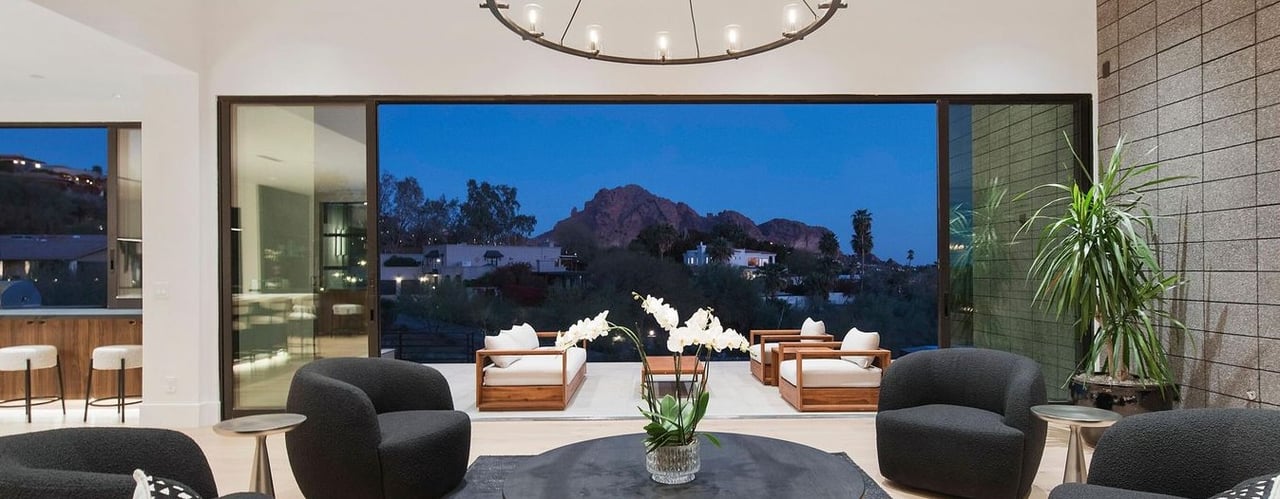
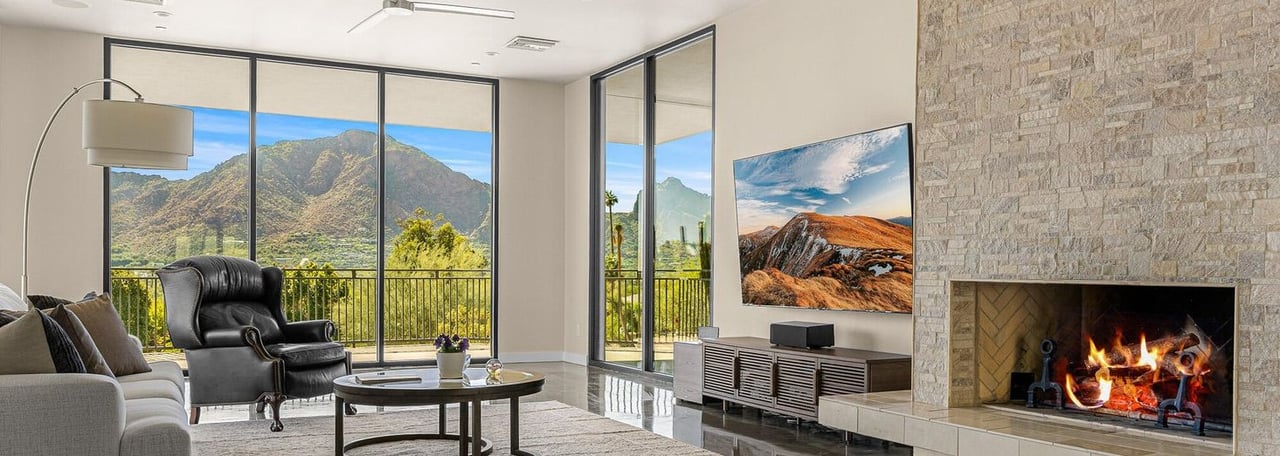
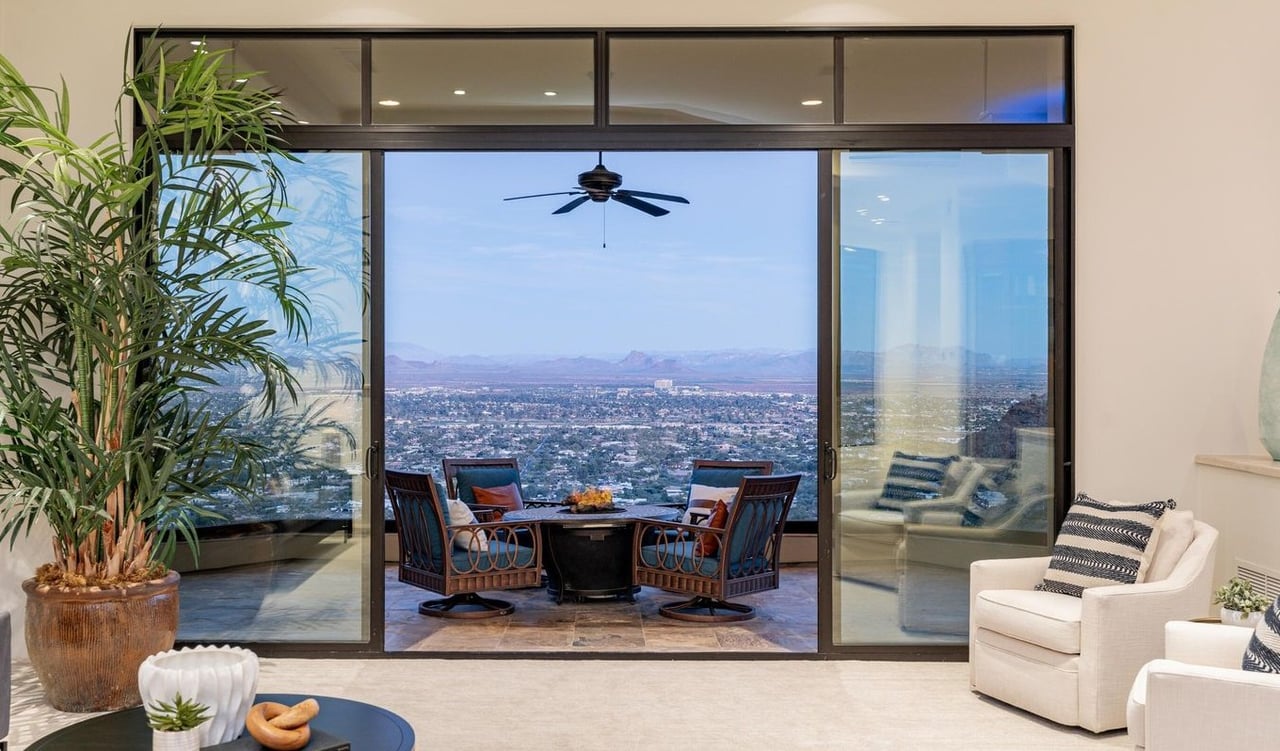
Across all price points, but especially above $8 million, one factor stands out. New construction is setting the standard for what buyers now expect. Ceiling height, glass, indoor–outdoor flow, and turnkey condition are no longer bonuses. They are the baseline. New builds sell faster because they define the expectation.
Resale homes must either compete on price or compete on uniqueness. Without one of those, they struggle. This is not a judgment on quality. It is a reflection of how buyer expectations have shifted.
The market today consistently rewards sellers who:
What the market does not reward is waiting for buyers to “catch up” to a number that made sense years ago. Buyers are not looking backward. They are choosing from what exists today.
The most important question is no longer: “What do I want for my home?”
It is: “How does my home compare to what buyers can buy right now?”
In a selective market, that question determines whether a home moves efficiently or becomes part of the inventory that sits. Paradise Valley is not slow. It is not overheated. It is simply precise. And homes that match that precision are the ones that sell.
12,813 people live in How Today’s Paradise Valley Market Actually Works (For Homeowners), where the median age is 53 and the average individual income is $148,984. Data provided by the U.S. Census Bureau.
Total Population
Median Age
Population Density Population Density This is the number of people per square mile in a neighborhood.
Average individual Income
How Today’s Paradise Valley Market Actually Works (For Homeowners) has 5,029 households, with an average household size of 3. Data provided by the U.S. Census Bureau. Here’s what the people living in How Today’s Paradise Valley Market Actually Works (For Homeowners) do for work — and how long it takes them to get there. Data provided by the U.S. Census Bureau. 12,813 people call How Today’s Paradise Valley Market Actually Works (For Homeowners) home. The population density is 867.729 and the largest age group is Data provided by the U.S. Census Bureau.
Total Population
Population Density Population Density This is the number of people per square mile in a neighborhood.
Median Age
Men vs Women
Population by Age Group
0-9 Years
10-17 Years
18-24 Years
25-64 Years
65-74 Years
75+ Years
Education Level
Total Households
Average Household Size
Average individual Income
Households with Children
With Children:
Without Children:
Marital Status
Blue vs White Collar Workers
Blue Collar:
White Collar:
Get assistance in determining the current property value, crafting a competitive offer, writing and negotiating a contract, and much more. Contact me today.